Foundation
Set up the tools and understand the basic parts of an automated trading system.
- Using AI for development
- Development environment
- Market data and brokerage APIs
 Algorithm Trading Courses
This four-part, in-person course shows students from Fresno and across the Central Valley how to define a strategy, test it, connect it to live market data, and run it in a paper-trading environment.

Bring your laptop and build alongside the instructor. You will turn a trading idea into rules, test those rules, connect market data, and assemble a working paper-trading system.
Each class covers one part of the process. The phases can be booked separately and completed on available class dates.
Set up the tools and understand the basic parts of an automated trading system.
Turn a trading idea into specific rules and test those rules with historical data.
Connect the strategy to live data and test orders without using real money.
Combine the system components and learn how to run and monitor the program.
Frequent manual trading has produced poor results for most participants in several large studies. A well-designed algorithm cannot create a profitable strategy by itself, but it can remove inconsistent execution, test the same rules over large datasets, and follow the plan without fatigue or hesitation.
Most people cannot afford an unlimited financial and emotional learning curve while trying to become consistent at manual trading.
Algorithms are not instantly profitable. They are instantly consistent. Once the rules are defined, the system can follow them from its first trade without fear, hesitation, revenge trading, or fatigue.
of traders who continued for more than 300 days lost money in a study of Brazilian equity-index futures.
Study: Chague, De-Losso & Giovannettiof Taiwanese day traders were able to predictably earn positive abnormal returns after trading costs.
Study: Barber, Lee, Liu & OdeanThe most active U.S. households earned 11.4% annually while the market returned 17.9% during the study period.
Study: Barber & OdeanAn SEC review found that most academic studies associate algorithmic trading with improved market quality and reduced transaction costs under normal conditions.
SEC report on algorithmic tradingFear, excitement, fatigue, and hesitation can affect when a person enters or exits a trade.
The system follows the entry, exit, sizing, and risk rules that you defined.
It is difficult to judge a strategy from memory or from a small number of trades.
You can apply the same rules to historical data and review the results before paper trading.
A person must watch the market, identify the setup, place the order, and manage the position.
The program can watch multiple symbols and respond when its conditions are met.
Manual notes often miss the full context behind each decision.
Signals, orders, errors, and results can be logged for review and improvement.
Most students will leave with a working paper-trading system that they built during class.
You do not need a coding or finance background. Students, business owners, working professionals, career changers, and experienced traders can all benefit from learning how to build their own systems.
The system you build can support a side business while you run a company, work, or finish school. You can also use the course as a foundation if your goal is to pursue automated trading full time.
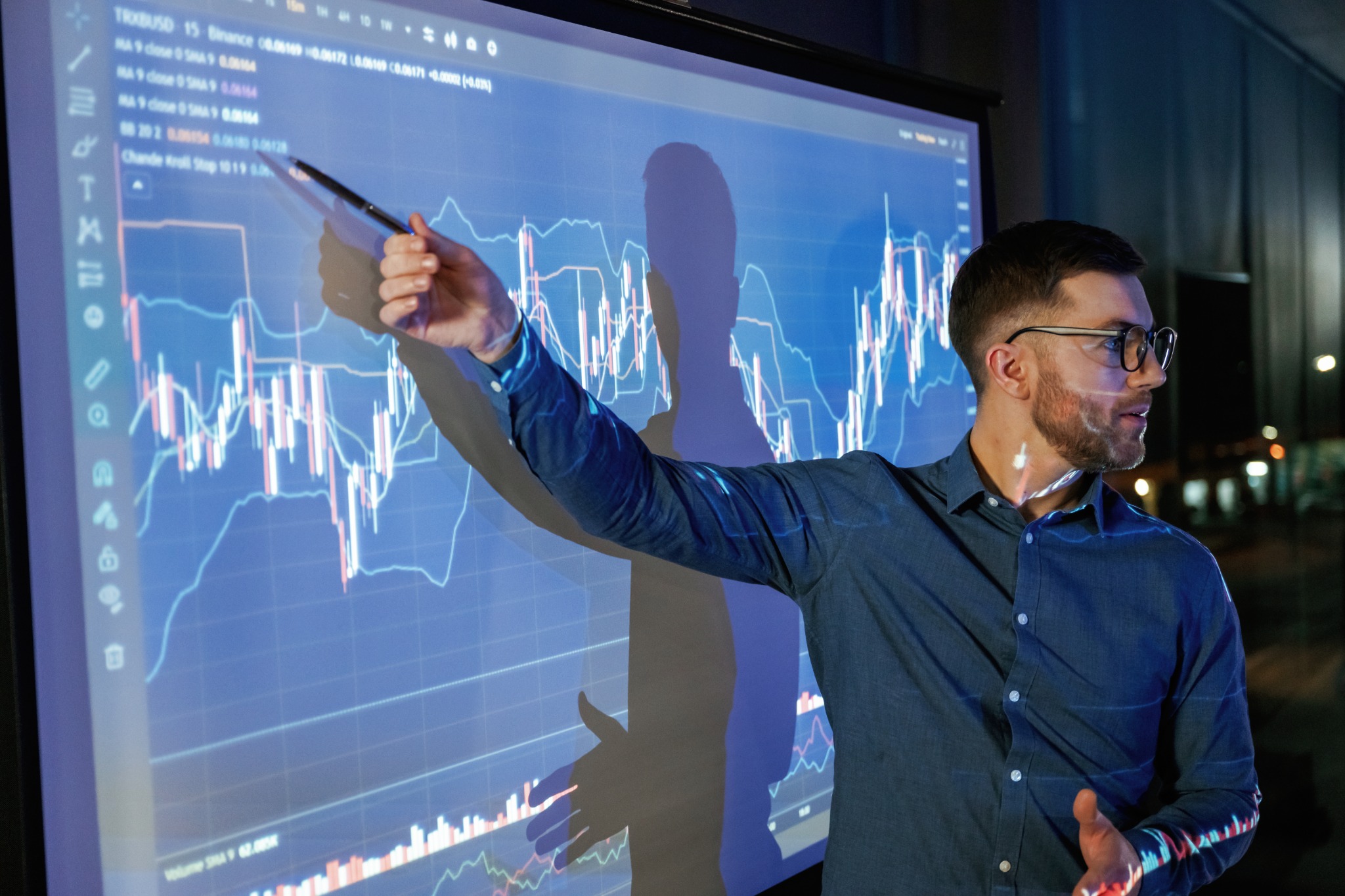

VolFlow teaches in-person algorithmic trading classes in Fresno for students throughout California's Central Valley, including Clovis, Madera, Visalia, Hanford, and Merced.
Classes focus on building and understanding a working system. Students learn strategy rules, backtesting, market-data connections, paper trading, execution controls, and system monitoring.
Questions about classes?
209-203-3026 · isaac@volflowtrades.com
The course explains how a trading idea becomes a set of rules a computer can test and execute. This is the foundation behind trading bots, algorithmic trading systems, and Expert Advisors commonly called EAs.
You will learn how to define entries and exits, backtest a strategy, connect market data, paper trade, and add risk and monitoring controls. The focus is not on copying signals. It is on learning how to build and evaluate your own trading system.
No. The class is designed as a guided build. You should be comfortable using a laptop and following technical instructions.
Yes. The course teaches the core process used to build a trading bot, automated strategy, or Expert Advisor: define rules, test them, connect data, paper trade, and monitor execution.
The course teaches trading through clear, testable rules. It is focused on algorithmic systems rather than discretionary signals or promises of quick profits.
Bring a laptop and access to ChatGPT or Claude. Brokerage login information and API credentials should remain private.
The standard class uses paper trading. Brokerage execution is possible only for students with an eligible account and working API access.
For educational purposes only. VolFlow Trading Systems does not provide individualized investment advice. Trading involves risk, including loss of principal.